
Pearls are grown, not cut, and they are softer than any gemstone in a jewelry box. They don’t need much care, but they do need the right care. This guide covers every type of pearl: Akoya, freshwater, Edison, South Sea and Tahitian.
Part of our pearl education series.
Why pearls need different care
A pearl’s beauty lives in its nacre: thin layers of calcium carbonate held together by a natural protein. Three things follow from that.
- Pearls are soft. At roughly 2.5 to 4 on the Mohs scale, they can be scratched by gemstones, metal, grit and even some fabrics.
- Acids dissolve them. Perfume, hairspray, cosmetics, household cleaners, vinegar and even perspiration slowly eat into the surface.
- Luster is only on the surface. Most “aging” in pearls is surface damage that could have been avoided, and once luster is lost it doesn’t come back.
The drill hole is the one place the inside of a pearl is exposed. Water carries dirt into it and damp thread holds moisture against it, so fading in a strung pearl usually shows around the hole first.
Before and after you wear them
The trade rule is simple: last on, first off. Most pearl care happens in the few minutes before and after you wear them.
Before wearing · 1 of 4
Get ready first
Makeup, perfume, hairspray, lotion and sunscreen go on before your pearls. Give them a few minutes to dry and settle, since these products are mildly acidic and dull the surface.
Before wearing · 2 of 4
Spray away from your jewelry
Hairspray and perfume mist land on everything nearby, including a strand waiting on the dresser. Keep pearls out of the room, or at least out of range, while you spray.
Before wearing · 3 of 4
Check the strand
Look for loose knots, gaps between pearls, a stretched or frayed thread, and a clasp that doesn’t close firmly. If anything looks off, have it seen to before you wear it.
Before wearing · 4 of 4
Pearls go on last
Pearls should be the final thing you put on. The trade rule is simple: last on, first off.
After wearing · 1 of 4
Take them off first
Remove pearls before you undress, wash your face, shower, swim, exercise or go to sleep. Chlorine, soap and hot water are hard on nacre and on silk thread.
After wearing · 2 of 4
Wipe each pearl
Run a soft, lint-free cloth over every pearl to remove skin oils and perspiration, which are mildly acidic. This is the single most useful habit in pearl care.
After wearing · 3 of 4
Let a damp strand dry flat
If your cloth was damp or it was a hot day, lay the strand flat on a towel until the thread is completely dry. A damp strand hung up will stretch.
After wearing · 4 of 4
Store them on their own
Put pearls back in a soft pouch or lined compartment, away from other jewelry. Fasten the clasp so it can’t scratch anything.
How to clean pearls
Almost all pearl cleaning is a soft, dry cloth. When a piece needs more than that:
- Work on a clean towel, not over an open sink.
- Dampen a soft cloth with lukewarm water and the smallest drop of mild soap.
- Wipe each pearl gently. Use a cloth, never a brush.
- Wipe again with a second cloth dampened in clean water. Rinse the cloth, not the strand.
- Lay the piece flat on a dry towel until the thread is completely dry, usually overnight, before you wear or store it.
Loose pearls and pearls set in rings, earrings and pendants have no thread to worry about, but the same gentle rules apply. If a piece is inherited or you don’t know its history, stick to a dry cloth and have a pearl-experienced jeweler look at it first.
Keeping luster and color
Luster and color are what you are really paying for in a pearl. Protecting them comes down to a few habits.
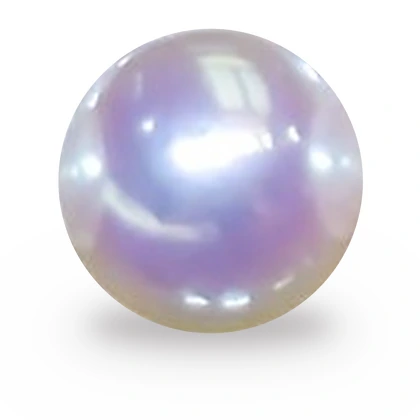
Drag to see what neglect does
Wiped after every wear
Sharp, bright reflections and clean color. This is how a well-kept pearl still looks decades later.
Illustration only. Real damage depends on the pearl, the products and the years.
- Keep chemicals off the surface. Let cosmetics and fragrance dry before you put pearls on, and wipe them after every wear.
- Avoid heat. Hot cars, windowsills, radiators and hair dryers can dry out, discolor or crack nacre.
- Limit strong sunlight. Long exposure to direct sun can fade some pearl colors over time, even natural ones.
- Don’t seal them away for years. Pearls hold a trace of moisture. Very dry, airtight storage can leave them brittle and dull.
- Know that dull is not dirty. If a pearl has lost its shine, cleaning won’t fix it. Lost luster can’t be polished back.
Care by pearl type
The basics apply to every pearl. A few types need a little extra attention.
| Pearl type | What to watch |
|---|---|
| Akoya | A mirror-like surface over a shell bead. That surface carries the value, so a soft cloth is all they should ever need. |
| Freshwater & Edison | Durable, but the surface absorbs oils, lotion and makeup more readily than saltwater pearls. Wipe them after every wear. |
| South Sea | Thick nacre and large surfaces. Golden South Sea deserve special care, since the natural golden color is the value and abrasives work against it. |
| Tahitian | Natural dark color that doesn’t fade easily, but the surface scratches like any other pearl. Store them apart from harder jewelry. |
| Dyed, coated or treated | Alcohol, solvents and heat can lift dyes and coatings, often at the drill hole first. If you don’t know a pearl’s history, use a dry cloth only. |
How to store pearls
- Soft and separate. Give pearls their own cloth pouch or fabric-lined compartment. Fasten clasps so they can’t snag or scratch other pieces.
- Flat, not hanging. Lay strands flat. Hanging stretches the thread and opens gaps between the knots.
- Cloth, not plastic, for the long term. A zip bag is fine for travel. For months or years, use cloth so pearls don’t dry out.
- Cool and out of the sun. Avoid windowsills, cars and drawers near a heater. A safe is fine.
- Travel with care. Pack each piece separately so pearls don’t rub against metal or stones.
Things you should never do
Most pearl damage comes from a short list of mistakes, many of them well meant. Test yourself: is each one safe, or something you should never do?
Wiping pearls with a soft cloth after wearing
Safe The single most useful habit. It removes skin oils and perspiration before they dull the surface.
An ultrasonic jewelry cleaner
Never Vibration can crack nacre, loosen it from the bead or shatter a pearl. Jewelry counters often offer it free; say no.
A damp cloth with a drop of mild soap
Safe Fine for a deeper clean. Wipe again with a clean damp cloth, then let the strand dry flat.
Steam cleaning
Never Heat and pressure can crack or discolor nacre and damage the thread.
A jewelry dip or tarnish remover
Never Most contain acids or ammonia. A cleaner made for gold or diamonds is not safe for the pearls beside them.
Wearing pearls in the pool or shower
Never Chlorine attacks nacre, and soapy water loosens knots and stretches silk.
Toothpaste or baking soda to polish
Never Anything gritty scratches the surface, and the surface is where all the luster is.
Soaking a strung necklace to clean it
Never Wet silk stretches, holds moisture against every drill hole and dries dirtier than before.
Laying a strand flat in a soft pouch
Safe Exactly right. Soft, separate and flat keeps the surface unscratched and the thread unstretched.
Hanging a necklace on a hook to store it
Never Gravity stretches the thread over time, and gaps start to show between the knots.
Storing pearls loose with diamonds and chains
Never Diamonds, gemstones, metal and clasp edges are all harder than pearl and will scratch it.
Bleach, ammonia or vinegar
Never Household chemicals and acids dissolve the calcium carbonate that pearls are made of.
Restringing and when to see a jeweler
Silk thread stretches, darkens and weakens with wear. For a necklace or bracelet worn often, we recommend professional restringing every one to two years. Strands worn a few times a year can go much longer. Knots between each pearl keep them from rubbing and limit losses if the thread ever breaks.
See a pearl-experienced jeweler if you notice:
- Stretched or frayed thread, gaps between pearls or dirty, discolored knots
- A clasp that doesn’t close firmly, or a loose pearl in a ring, earring or pendant
- Dullness that a wipe doesn’t fix, flaking, cracks or chalky spots
- Contact with a harsh chemical, or an inherited piece you haven’t had checked
Frequently asked questions
Wipe them with a soft, lint-free cloth after every wear. If they need more, dampen the cloth with lukewarm water and a drop of mild soap, wipe each pearl, wipe again with a cloth dampened in clean water, then lay the strand flat to dry. Never soak a strung strand.
A damp cloth is fine, but pearls should not be worn in the shower, pool, ocean or hot tub. Chlorine and chemicals attack the nacre, and water weakens the silk thread on strung pearls.
For a strand worn often, every one to two years. Restring sooner if you see stretched thread, gaps between pearls or dirty knots. Strands worn only a few times a year can go much longer.
No. Dirt can be cleaned off, but luster comes from the nacre itself, and nacre that has been dulled by acids, chemicals or abrasion cannot be washed back. Dull is not the same as dirty, which is why prevention matters.
A zip bag is fine for travel or a short time. For long-term storage, use a soft cloth pouch or a lined jewelry box, since pearls kept sealed away for years can dry out.
More pearl guides
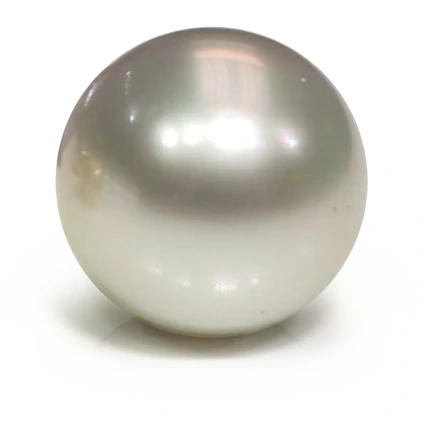 Golden & whiteSouth Sea PearlsThe history, colors and waters of the world’s largest cultured pearls.Read the guide
 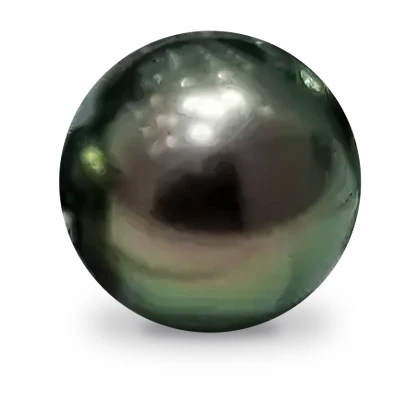 Black-lip oysterTahitian PearlsThe history, colors and lagoons of French Polynesia’s black pearls.Read the guide