
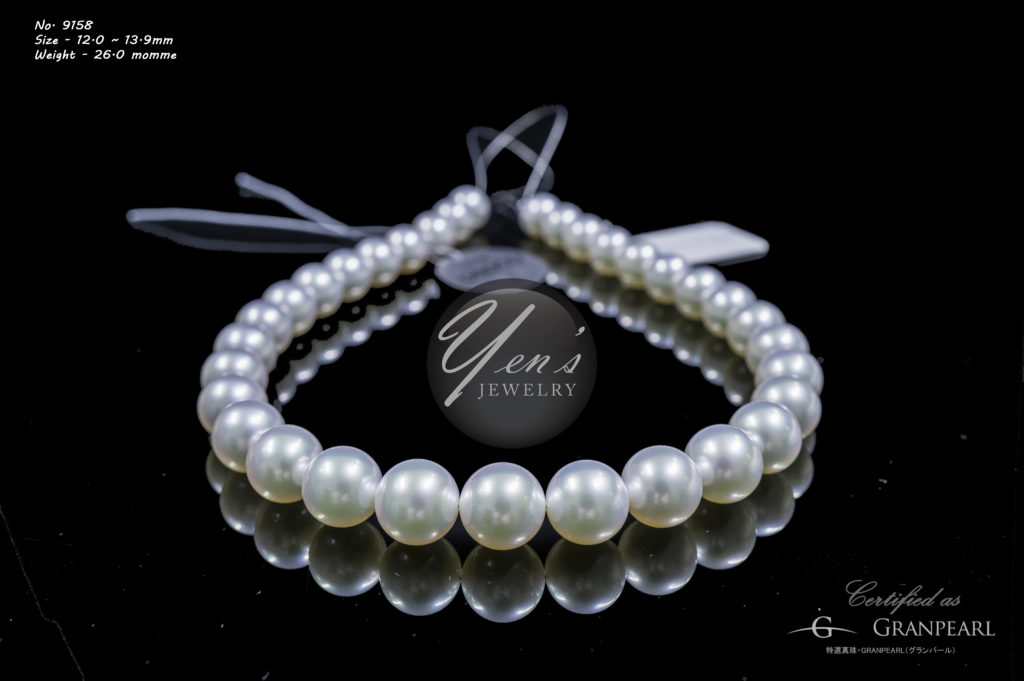
South Sea pearls are the largest cultured pearls in the world, grown in Pinctada maxima, an oyster that can reach the size of a dinner plate. This guide covers where they come from, how they are grown, the waters they need, and the colors and sizes you can expect to find.
A short history
Long before anyone farmed its pearls, Pinctada maxima was prized for its shell. The divers who gathered it came from Japan, Malaysia, the Philippines and Timor, alongside Aboriginal divers, and worked in conditions that were dangerous and often brutal. Many never came home. A natural pearl was a rare bonus, not the point.
- Late 1800sThe mother-of-pearl eraBroome, on Australia’s northwest coast, becomes the world’s main source of mother-of-pearl, shipped out for buttons, knife handles and inlay.
- 1950sButtons go plasticPlastic buttons collapse demand for shell. Western Australia lifts its ban on cultured pearls.
- 1956The first farmA Japanese and Australian venture opens a farm on the remote Kimberley coast, at the bay now named Kuri Bay after its leader, Tokuichi Kuribayashi.
- 1970sAustralia leadsKuri Bay grows most of the world’s large white South Sea pearls.
- 1950s–1980sFarming spreadsFarms open in Myanmar (then Burma), Indonesia and the Philippines, where the gold-lipped oyster grows golden pearls.
- TodayThree main sourcesAustralia, Indonesia and the Philippines grow nearly all South Sea pearls. The Philippines has named the South Sea pearl its national gem.
How South Sea pearls are grown
Every South Sea pearl is cultured: a person starts it, and the oyster does the rest. Tap through the four stages.
Step 1 of 4
Raising the oysters
Most oysters are bred in hatcheries. Australia also collects a limited number of wild oysters each year under a government quota, which keeps the stock genetically diverse.
Step 2 of 4
Nucleation
A skilled technician opens the oyster slightly and places a round bead, cut from freshwater mussel shell, inside it, along with a small square of living tissue from a donor oyster. The donor’s shell color steers the color of the pearl.
Step 3 of 4
Growing
The oysters hang in panels in open water for two years or more, laying down layer after layer of nacre. Divers turn and clean them regularly so the nacre builds evenly.
Step 4 of 4
Harvest
The pearl is removed. If it came out well, the oyster can be given a new bead in the same pearl sac. These second pearls are often larger, because the oyster is older and the sac has stretched.
Where they grow: the waters that make them
Pinctada maxima lives in warm, clean tropical water between the Indian and Pacific Oceans, much of it in the Coral Triangle, one of the richest marine regions on earth. The oyster feeds by filtering plankton, so it needs strong currents, steady nutrients and very little pollution. It does not thrive outside its native range, which is why supply stays limited.
| Region | Main oyster | Known for |
|---|---|---|
| Australia | Silver-lipped | White and silver pearls; the benchmark for size and luster. The Kimberley coast has some of the largest tides in the world. |
| Indonesia | Silver- and gold-lipped | Large volume of both white and golden pearls, across the widest range of qualities. |
| Philippines | Gold-lipped | Golden pearls, including the deepest golds, from Palawan and the Sulu Sea. |
| Myanmar | Silver-lipped | White pearls in small quantities. |
Because a pearl takes years to grow, a farm needs the water around it to stay clean year after year. Many farms work in effect as marine reserves, and farmers are often the first to notice changes in the sea. Warming water, storms and disease are real pressures on the industry today.
Colors
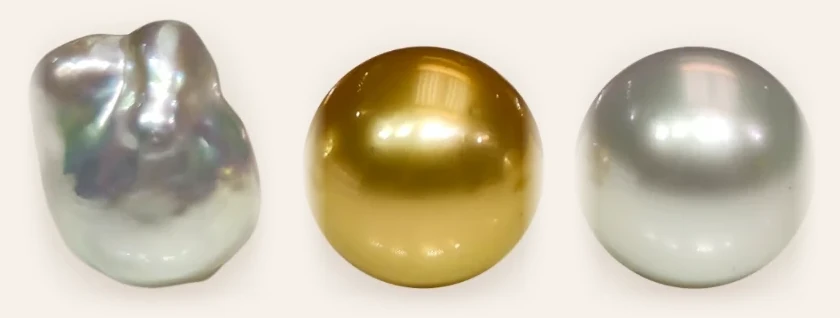
South Sea color comes from two varieties of the same oyster. The silver-lipped oyster grows white, silver and cream pearls. The gold-lipped oyster grows pearls from pale champagne to deep, saturated gold. In both, the color is natural. Tap a color to see it.
Choose a color
White
The classic. A white body with a soft rose overtone is the most sought after.
| Color | What to know |
|---|---|
| White | The classic. A white body with a soft rose overtone is the most sought after. |
| Silver | Cool and bright, often with blue or aqua overtones. |
| Cream | A warmer white that flatters many skin tones. |
| Champagne | The lightest of the golden range, between cream and gold. |
| Gold | Soft to medium gold, the core of golden production. |
| Deep gold | Rich, saturated honey gold. Rare even among golden pearls, and the most valuable. |
Sizes
South Sea pearls start where most other pearls stop. The oyster is large enough to take a large bead, and two or more years in the water add thick layers of nacre on top. Slide to compare sizes with a classic 7 mm Akoya.
| Type | Usual range | Everyday wear |
|---|---|---|
| White and silver | 10–16 mm | 11–14 mm |
| Golden | 9–16 mm | 10–14 mm |
Price climbs much faster than size, and the step from 13 to 15 mm is a large one. Building a matched strand can take pearls from several harvests, which is why fine South Sea strands are held back and assembled over years.
What to look for
A quick guide when choosing South Sea pearls. For the full method, see the seven pearl value factors.
- Luster: expect a soft, satiny glow rather than a hard mirror. Fine pearls still show a crisp edge to their reflection.
- Color: in golden pearls, depth and evenness of color matter most. In white, look at the overtone.
- Size and shape: these drive price most in white South Sea.
- Surface: small marks are normal on a pearl this large. Look at where they sit.
- Matching: for strands and pairs, check that color and overtone agree pearl to pearl.
Frequently asked questions
South Sea pearls are grown in the Pinctada maxima oyster in Australia, Indonesia, the Philippines and Myanmar. Australia is known for white and silver pearls and the Philippines for golden pearls, while Indonesia grows both.
They can be. Natural golden color comes from the gold-lipped variety of the oyster. Dyed golden pearls are also common, so look for color pooling in drill holes or marks, and ask the seller to state natural color.
Each oyster grows one pearl at a time over two years or more, the oyster only thrives in a few clean tropical waters, and large round pearls are rare. Size, roundness and deep golden color raise the price fastest.
Most are 9 to 16 mm. White and silver pearls usually run 10 to 16 mm and golden pearls 9 to 16 mm. Pearls over 16 mm exist but are rare.
More pearl guides
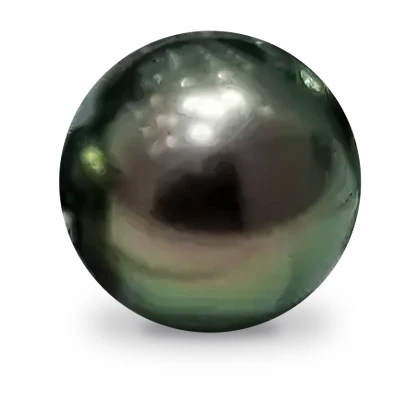 Black-lip oysterTahitian PearlsThe history, colors and lagoons of French Polynesia’s black pearls.Read the guide Care · Every pearl typePearl CareHow to wear, clean and store pearls, what keeps their luster and color, and the mistakes to never make.Read the guide